Challenging the ‘boys’ club’ in Malaysia’s gaming industry
PETALING JAYA
As Malaysia’s gaming industry grows, so too does the number of women helping to shape it. For many, however, finding a place in the industry has not always been easy.
That’s where OutCrowd comes in.
Founded in 2019, the volunteer-led community provides a safe space for women and other underrepresented game developers to connect, share experiences and support one another.
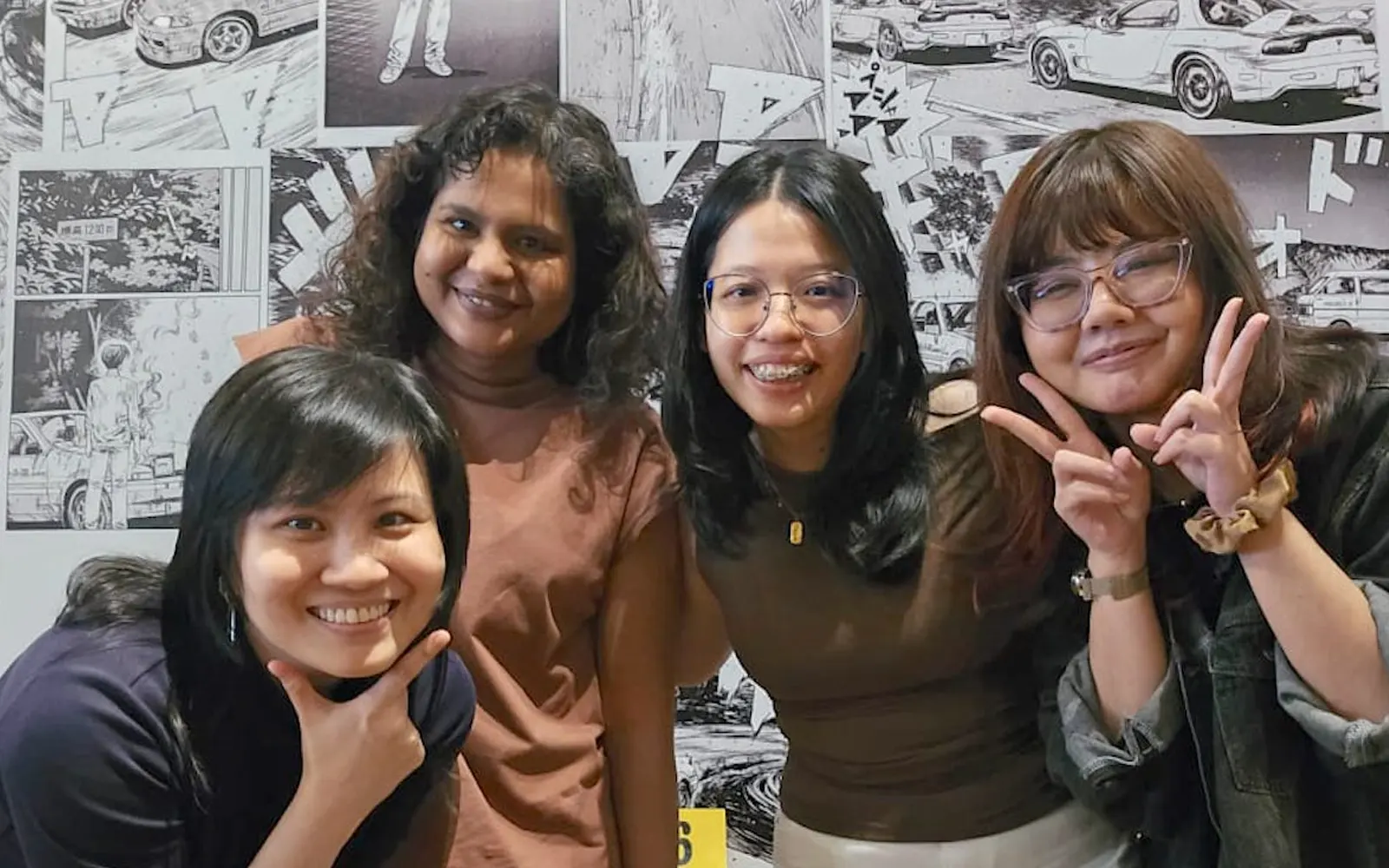
Its team comprises UI/UX designer and game artist Leeying Foo, award-winning game designer and lecturer Sophie Azlan, freelance writer Priya K, and UOW Malaysia lecturer Ng Yiing Y’ng.
Although they come from different backgrounds, they share one belief: that the industry needs a stronger support network.
Foo, best known for her work on narrative-driven games such as “Simulacra”, “Doctor Who: The Lonely Assassins” and “Soup Pot”, was the catalyst who brought the group together.
While she has since stepped back to focus on her own work, the team credits her vision with laying OutCrowd’s foundations.
“When I first entered the games industry in Malaysia, it had just started to grow. So not only were there very few women in the space, there wasn’t even a language around it,” Foo recalled.
It wasn’t until she attended a gaming conference in Singapore that she realised what Malaysia was missing.
“There, I met more women in senior positions and was exposed to the initiatives they had started. I wanted to create something similar here – a space where people could connect and build camaraderie.”
One misconception the team hopes to dispel is that women are newcomers to gaming.
Long before today’s industry took shape, women were already contributing to the medium – going all the way back to designers of educational tabletop games in 19th-century England, to pioneering game developers such as Rieko Kodama of Sega, Carol Shaw of Atari and Roberta Williams of Sierra On-Line.
The founders said OutCrowd was never created in response to one defining incident, but rather countless smaller experiences shared by many women and underrepresented developers.
Sometimes it meant being talked over in meetings. Other times it meant having their skills questioned or feeling they constantly had to prove themselves.
“A lot of it came down to people not feeling like they belonged,” Ng told FMT Lifestyle.
Priya, who entered the industry without previous experience, believes game development simply reflects the same inequalities seen elsewhere.
“Like most other industries, game development is not immune to sexism and bias – it’s just a reflection of broader societal patterns,” she said.
Sophie first joined OutCrowd as a student before eventually becoming part of its leadership team. “The community really acted as a pillar of support for me as I was coming into my own identity as a developer,” she shared.
She has since become one of Southeast Asia’s prominent voices in game development. In 2022, she was inducted into The Game Awards’ Future Class, joining just 50 people worldwide recognised as the future of the industry.
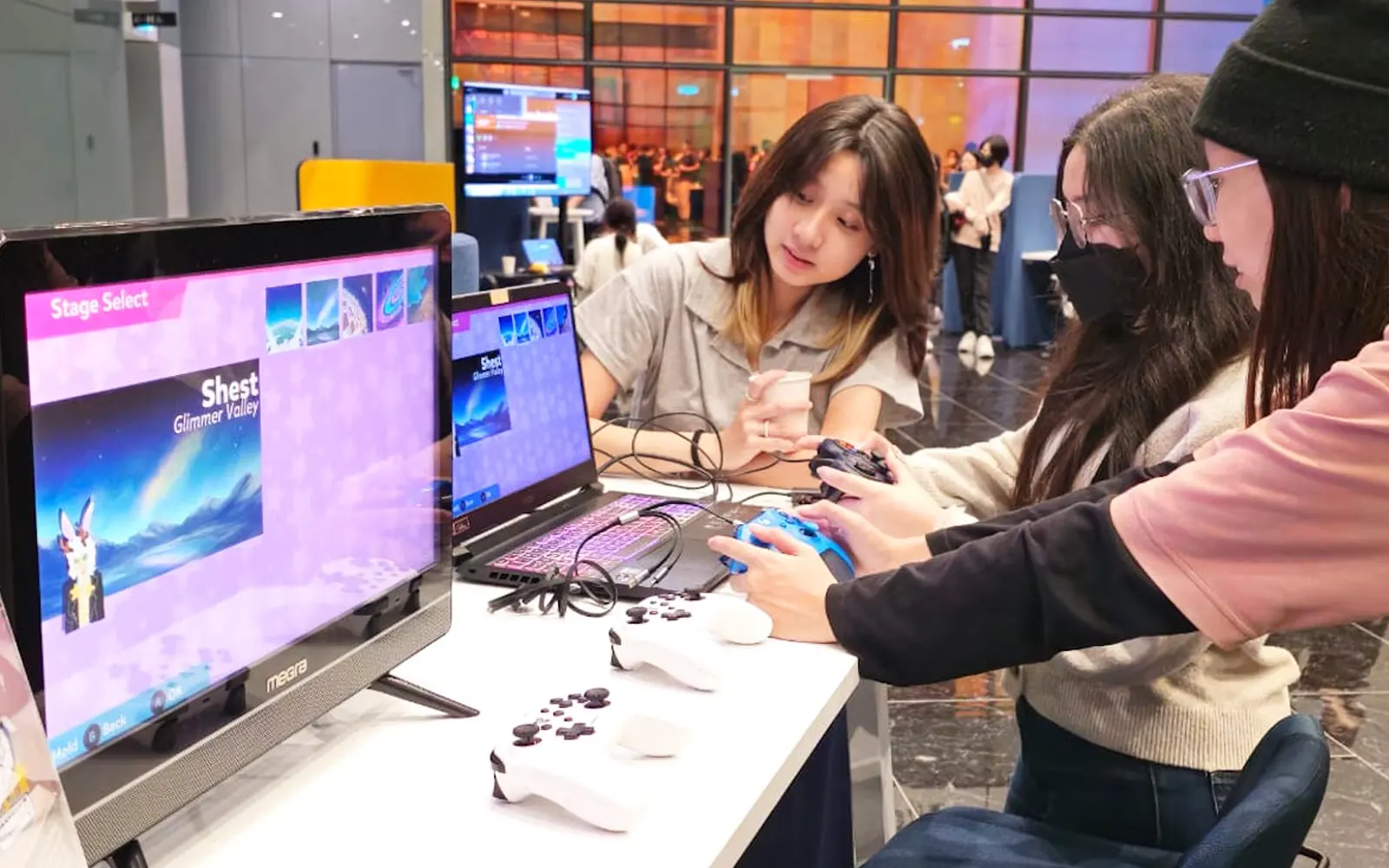
One of OutCrowd’s flagship initiatives is “Cross Play”, a global games-sharing programme linking Malaysian developers with their counterparts overseas.
Through the initiative, locally developed games are showcased and playtested by international communities in cities such as New York and Melbourne, while Malaysian developers also get to experience indie and student-made games from abroad.
“People were often surprised that we were running and organising events for free,” Priya said.
The founders have seen encouraging changes since launching OutCrowd, with greater diversity becoming increasingly visible at industry events. Even so, they believe more funding and promotion are needed to help inclusive initiatives grow.
Looking ahead, the team hopes to eventually pass the torch to a new generation of organisers who can bring fresh ideas and perspectives to the community.
Their biggest ambition, however, extends beyond OutCrowd itself.
“We’d like future generations in Malaysia to inherit a space where they don’t have to build their own support system like we did. Inclusion should simply be part of how things work.”
Follow OutCrowd on Instagram