‘The Odyssey’ lives up to its epic ambitions
PETALING JAYA
The good news is, Nolan delivers with this 2-hour-and-52-minute outing – the Oscar-winning filmmaker’s first feature since “Oppenheimer”.
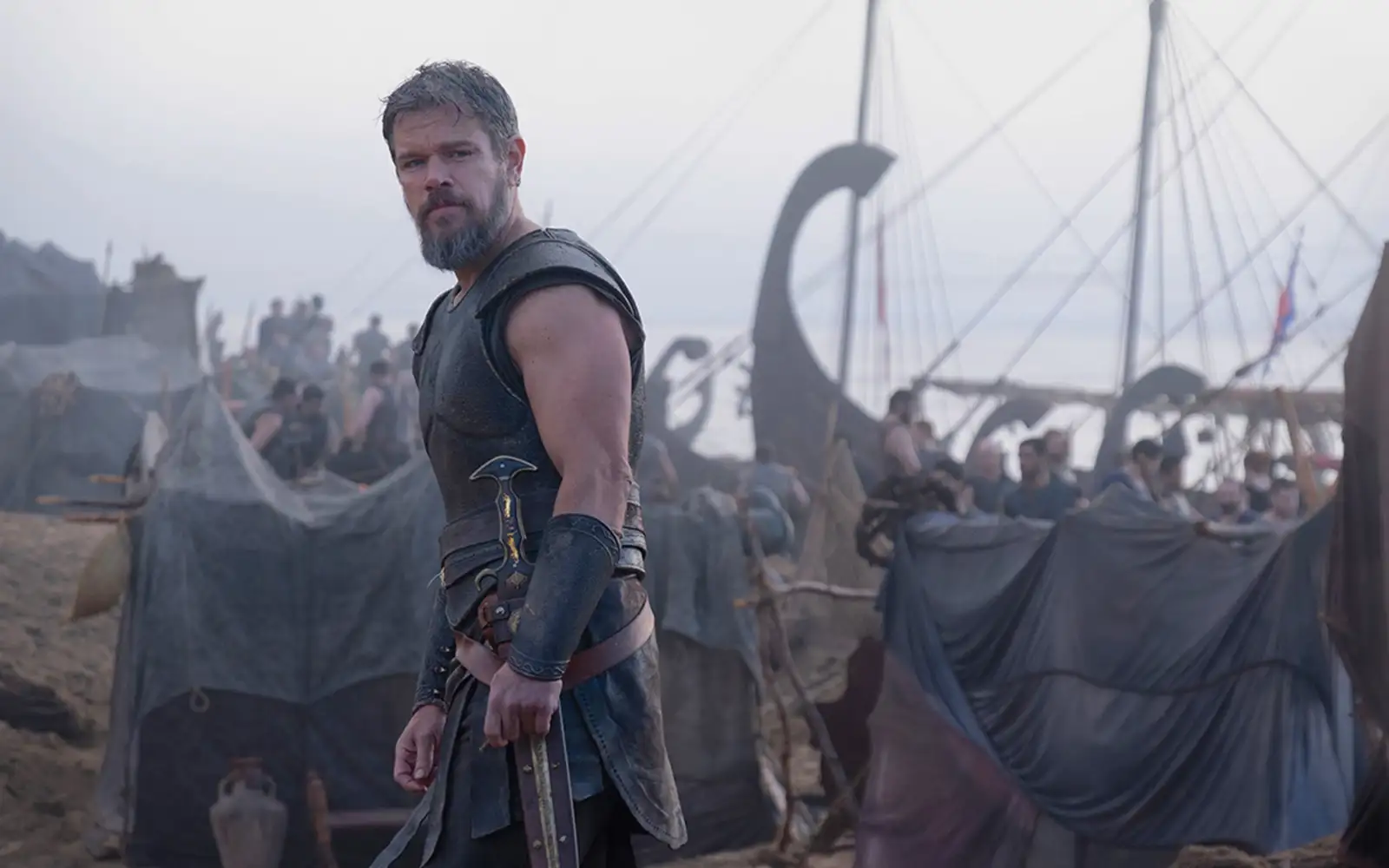
Based on Homer’s ancient Greek epic, the film follows King Odysseus as he spends a decade battling monsters, vengeful gods and impossible odds in his quest to return home to Ithaca after the fall of Troy.
Back home, his wife Penelope and son Telemachus struggle to keep the kingdom from falling into the hands of ambitious suitors convinced their king will never return.
Purists should note that this is not a page-for-page adaptation of Homer’s poem. Nolan takes creative liberties, but they breathe fresh life into a story many viewers already know.
True to form, Nolan plays with chronology, opening in the middle of Odysseus’s journey before gradually revealing the events that brought him there.
Having secured victory in the Trojan War through the legendary Trojan Horse, Odysseus earns the wrath of the gods and spends another decade battling storms, mythical creatures and devastating loss before finally finding his way home.
One thing audiences should know before buying a ticket: Nolan assumes viewers already have a basic grasp of Greek mythology. There are no lengthy introductions to the gods, kingdoms or family trees – the film simply drops you into its world.
While prior knowledge isn’t essential, recognising names such as Zeus, Poseidon and Athena certainly makes the experience more rewarding.
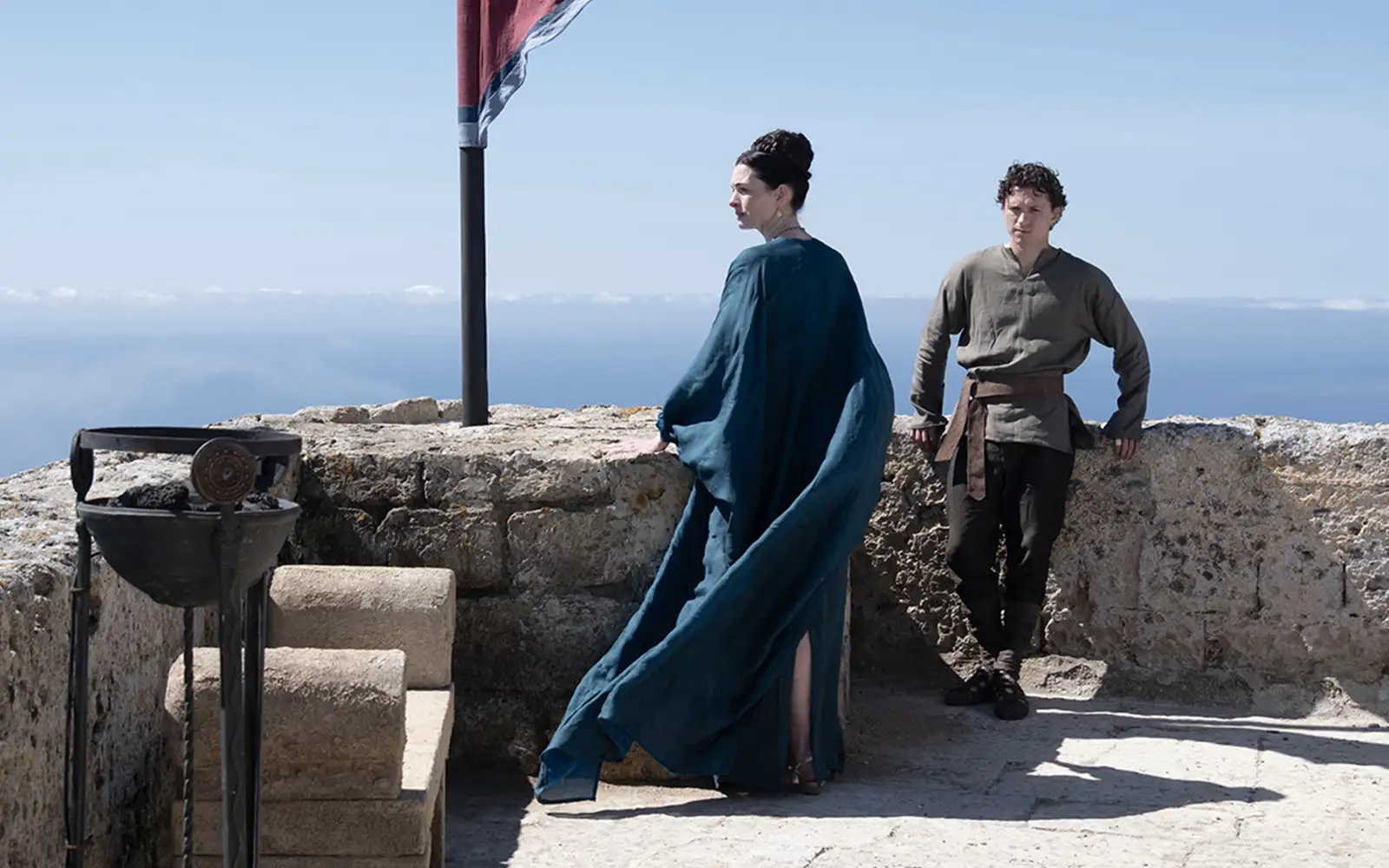
Despite boasting an ensemble cast packed with Hollywood heavyweights, four performances anchor the film: Matt Damon as Odysseus, Anne Hathaway as Penelope, Tom Holland as Telemachus, and Robert Pattinson as the ruthless Antinous.
Ludwig Göransson’s score is another triumph, marking his first collaboration with Nolan. Thunderous percussion drives the action through battles and encounters with mythical creatures, building an almost relentless sense of urgency.
Combined with the Imax presentation, the music becomes every bit as vital to the storytelling as the visuals themselves.
This is also Nolan’s first venture into ancient mythology, yet he makes every creature feel genuinely intimidating rather than fantastical.
Polyphemus the Cyclops and Circe are among the film’s most memorable creations, while his interpretation of the Sirens is particularly inspired, capturing their hypnotic danger without audiences ever hearing their infamous song.
Just as impressive is Nolan’s portrayal of Odysseus. He never allows the Greek king to become an untouchable hero; instead, he is courageous yet deeply flawed, brilliant yet haunted by the consequences of his own choices.
The famous bow challenge becomes one of the film’s most satisfying sequences, reaffirming Odysseus’s legendary status before allowing him to reclaim his kingdom.
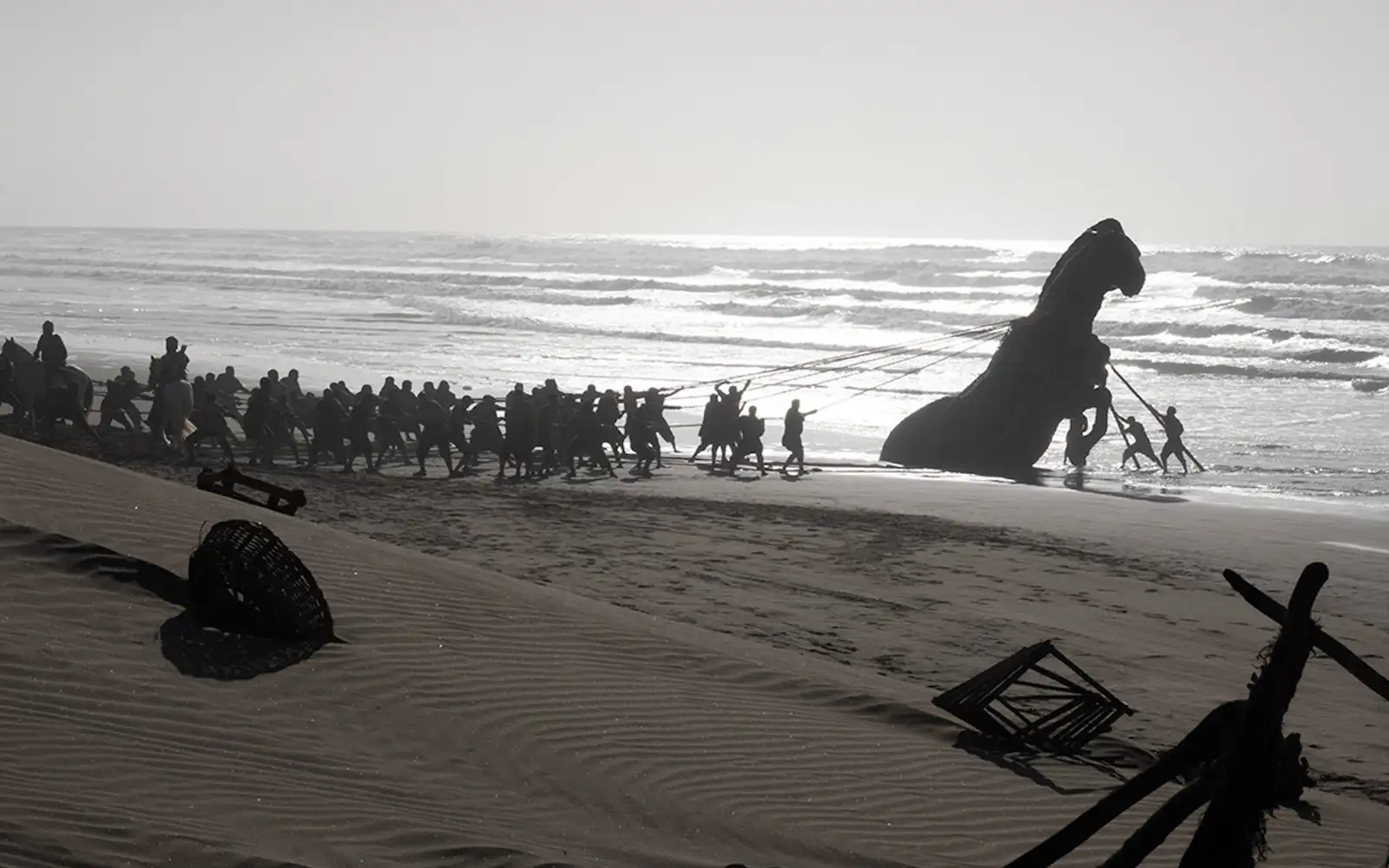
Although the story centres on Odysseus’s long journey home, Nolan revisits the Trojan War through a series of flashbacks that reveal the psychological cost of victory.
Odysseus may have masterminded the Horse that ended the War, but the horrors that followed continue to haunt him.
In that sense, despite unfolding in entirely different worlds, “The Odyssey” shares surprising thematic parallels with “Oppenheimer”. Both films explore not only the triumph of extraordinary minds, but also the burden of living with the consequences of their greatest achievements.
Another memorable touch is Athena: despite limited screen time, Zendaya’s character becomes one of the film’s most rewarding full-circle moments, presented less as a traditional goddess than as a manifestation of Odysseus’s conscience.
Despite its breathtaking scale and visual spectacle, “The Odyssey” never loses sight of the human emotions at its heart. Truly it’s an epic that demands to be experienced on the biggest screen possible – and one many viewers may find themselves returning to for a second voyage.
As of press time, ‘The Odyssey’ is screening in cinemas nationwide.